"Is it safe?" is a fair question before any trip to a desert you have never seen. For most travellers, the honest answer is yes: Morocco's desert regions welcome many visitors every year. But safety in the Sahara is mostly about practical things, not dramatic ones.
Here is what really matters when asking is Morocco safe for a desert tour, with concrete tips from the routes we drive every week.
The short answer
Desert areas such as Merzouga and Zagora are well used to tourism. The realistic risks are road travel, heat, the sun, occasional petty scams and wandering too far in the dunes. Before travelling, always read your government's official advice, for example the UK Foreign Office travel advice for Morocco or the equivalent page in your country, as conditions can change.
Main risks and how to manage them
| Risk | How likely | How to reduce it |
|---|---|---|
| Road accidents on long drives | The main real risk | Experienced driver, no night driving in mountains, seatbelts |
| Heat, sun and dehydration | Common in summer | Water, hat, sunscreen, rest at midday |
| Getting lost in the dunes | Rare if you stay near camp | Do not walk alone far from camp, especially at night |
| Pushy sellers or unofficial guides | Common in towns and stops | Polite firm "no, thank you"; agree prices first |
| Upset stomach | Fairly common | Bottled water, hand hygiene, cooked food |
| Theft | Low, mostly pickpocketing in cities | Keep valuables close in crowded places |
Road safety: the most important point
The longest part of any desert tour is the road. The Tizi n'Tichka pass between Marrakech and Ouarzazate has many bends, and village roads have pedestrians, bikes and animals. That is why we recommend:
- Choosing a tour with a professional, licensed driver who knows the route.
- Splitting long drives over two days (for example, a 3 or 4-day tour instead of Merzouga in 2 days).
- Avoiding mountain driving at night and in heavy snow.
- Wearing seatbelts at all times, including in the back.
Staying safe in the dunes
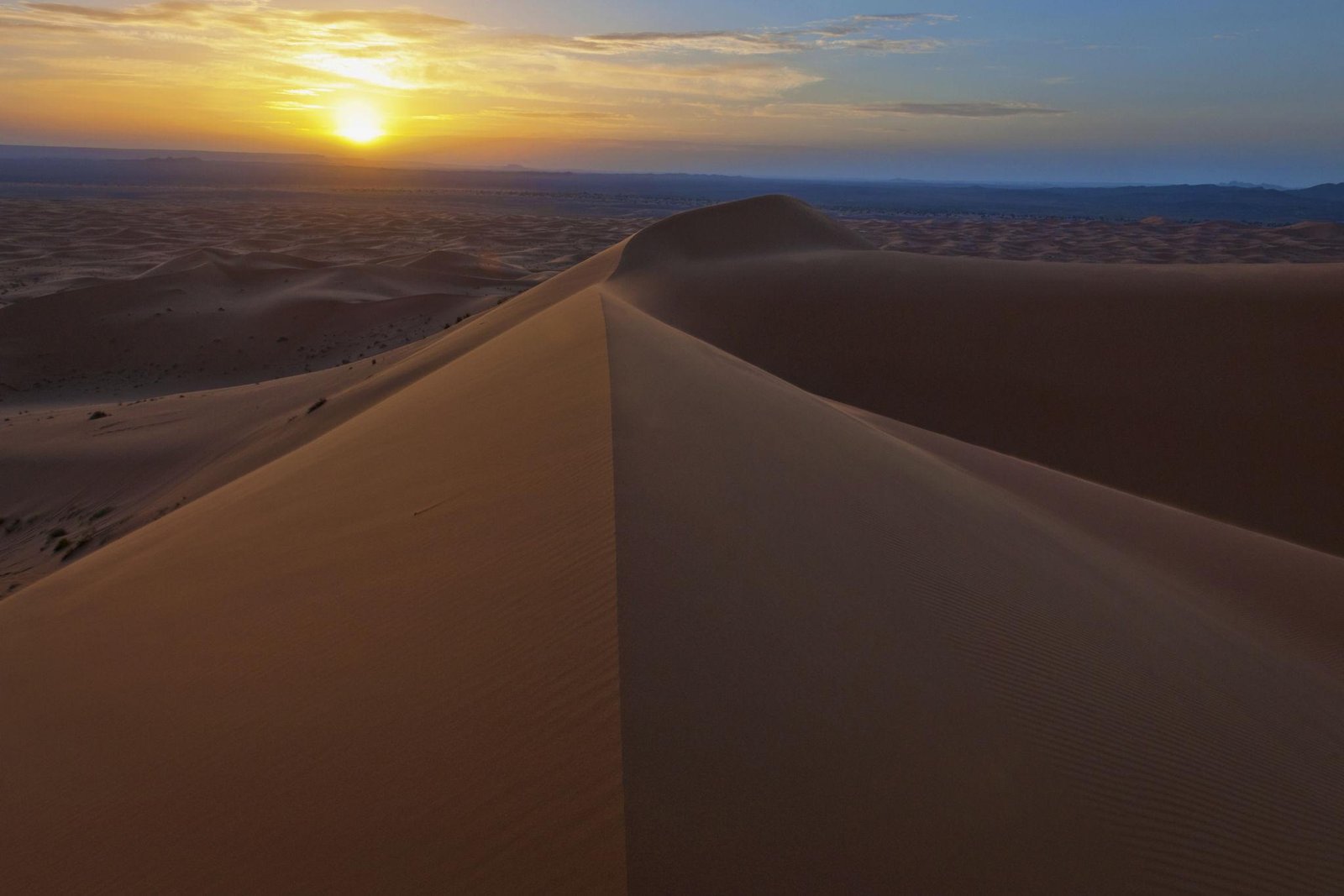
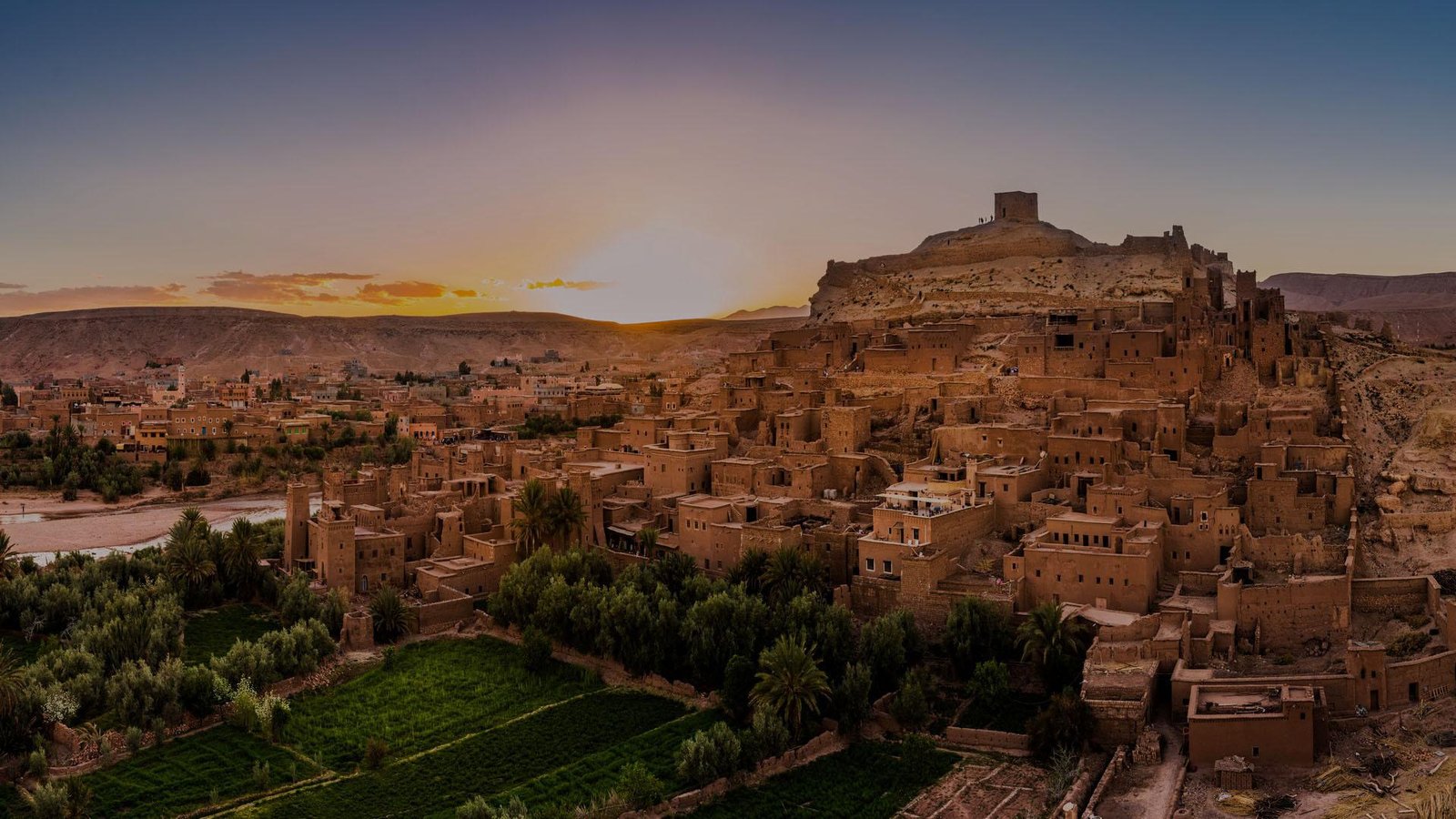
- Stay close to camp after dark; dunes look alike and lights disappear behind ridges.
- Tell the camp staff if you go for a sunrise walk.
- Carry water and a torch whenever you leave the tent.
- Avoid the midday sun in summer; rest in the shade between noon and late afternoon.
- Use licensed operators for quad bikes and 4x4 rides, and wear any helmet provided.
- Follow the cameleer during the camel ride; read our camel ride guide for tips.
Is Morocco safe for solo and female travellers on a desert tour?
Many solo and female travellers join desert tours in Morocco. Common-sense steps make the trip more comfortable:
- Dress modestly in towns and villages (covered shoulders and knees), mainly to avoid unwanted attention.
- Book with an agency that gives you the driver's name and contact in advance.
- In camps, ask for a private tent if you prefer; standard camps sometimes use shared areas.
- Ignore persistent comments and walk on; involve your guide if anyone bothers you.
- Share your itinerary with someone at home.
Health and heat
The desert is dry and the sun is strong in every season. Drink regularly, even if you do not feel thirsty, and use high-SPF sunscreen. Carry rehydration salts and any personal medication. Medical services are available in towns such as Erfoud, Errachidia, Ouarzazate and Zagora, but not in the dunes, so travel insurance with medical cover is strongly recommended. If you have a health condition, consult your doctor before travelling. Our desert packing list covers the practical items.
Scams and hassle: what to expect
Most interactions with locals are friendly. The usual annoyances are tourist-trap ones:
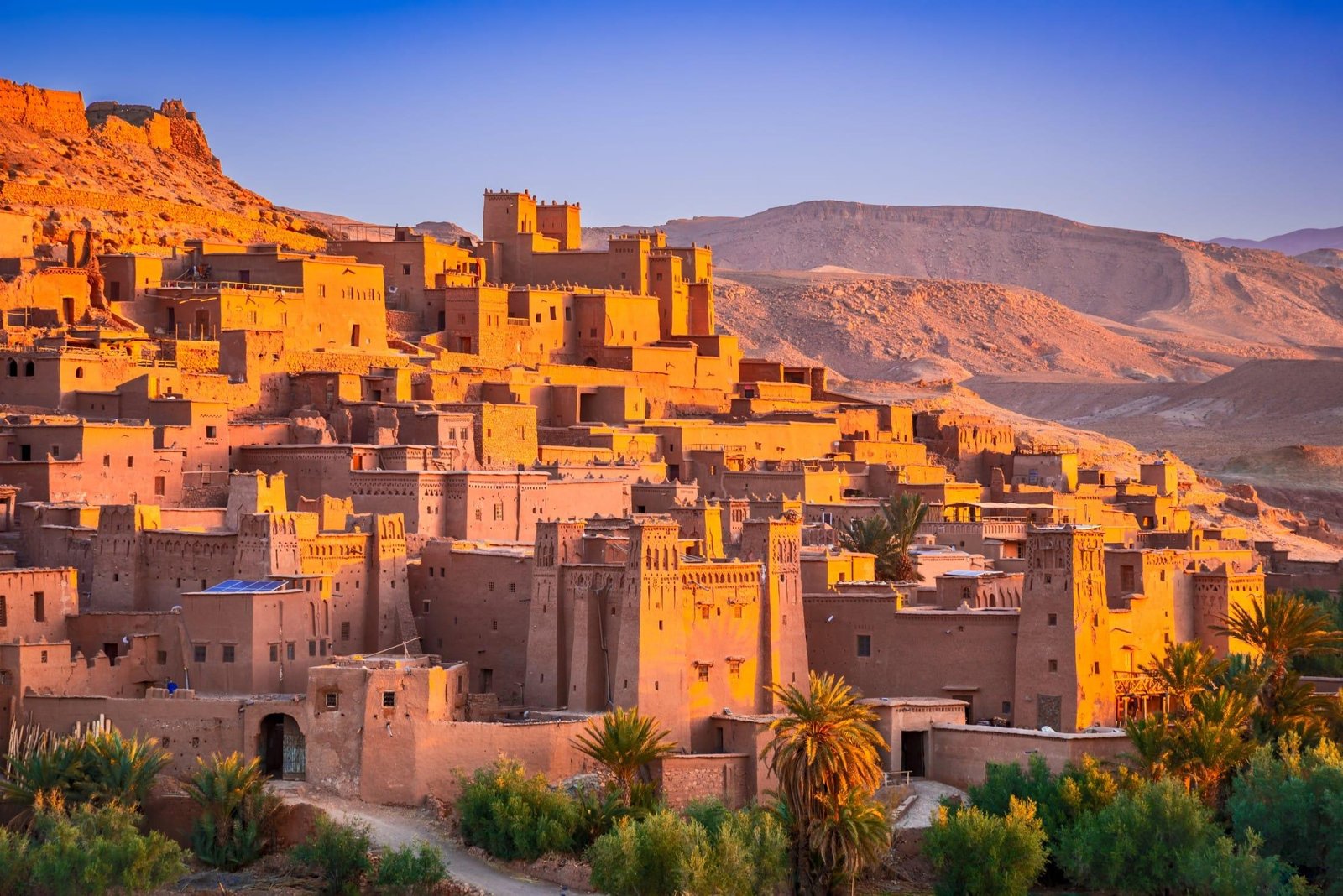
- Unofficial guides offering to "show the way" in medinas or at Ait Ben Haddou, then asking for money.
- Pressure to visit a carpet or fossil shop; you are never obliged to buy.
- Very cheap tours sold on the street that change conditions later.
Booking directly with a known operator, with a clear written programme and price, avoids most of these issues. You can review our itineraries on the Morocco tours page and ask questions through our contact page before you pay anything.
Safety for families with children
Families travel to the Sahara often, and children usually love it. A few adjustments make the trip easier and safer:
- Choose a 3 or 4-day tour so daily driving stays shorter, with breaks every one to two hours.
- Bring child-size sun hats, sunglasses and high-SPF sunscreen.
- Ask for a calm camel and let young children ride with a parent.
- Keep children within sight in camp, especially near the fire and after dark.
- Pack familiar snacks and plenty of water for the road.
If you need a child seat, mention it when booking so it can be arranged in advance where possible.
Money and valuables
Carry only the cash you need for the day, in small notes, and keep cards and passport in an inside pocket or money belt in busy places. ATMs are available in larger towns along the route, such as Ouarzazate, Tinghir, Erfoud and Zagora, but not in the dunes. In camps, keep phones and cameras with you rather than leaving them outside the tent. A travel insurance policy that covers theft, medical costs and trip changes gives extra peace of mind.
Is the desert near the Algerian border safe?
Merzouga lies near the Algerian border, which is closed. Tourist areas around Erg Chebbi are busy and well used to visitors, but you should never try to approach or cross the border area. Stay within the areas used by tours and camps, and follow local guidance.
Why a local operator helps
A local team knows which roads are affected by weather, which camps are reliable and how to adapt plans quickly. On our desert tours from Marrakech and custom private tours, the driver stays with you for the whole trip and is your first point of contact if anything comes up. Travellers starting in the north can also join from Tangier; see our Tangier tours.
Key takeaways
- A desert tour in Morocco is generally safe for most travellers.
- Roads and heat are the real risks: choose a good driver and drink water.
- Stay close to camp at night and follow your guide in the dunes.
- Check official travel advice and take travel insurance with medical cover.
- Book with a clear itinerary and price to avoid street scams.