A Sahara trip does not need special equipment, but a few smart choices make a big difference. Knowing what to pack for a Morocco desert tour keeps you comfortable on the camel, warm at night and free of sand in your camera.
This checklist is based on what we see travellers use (and forget) on our tours to Merzouga and Zagora, season by season.
The golden rule: one small overnight bag
On most desert tours, your main suitcase stays in the vehicle or at a hotel in Merzouga or Zagora while you ride a camel to camp. You only carry a small backpack for one night. So pack in two layers:
- Main luggage: everything for the rest of the trip, left locked in the vehicle.
- Desert bag (10–20 litres): what you need from sunset to the next morning.
- Put the desert bag on top of your suitcase in the morning, so you are not unpacking on the roadside.
- Use a zip bag for phone, camera and power bank to keep sand out.
- Keep a water bottle and scarf in hand for the camel ride itself.
Clothes: what to wear in the Sahara
Loose, light and covering clothes are best. They protect you from sun and wind, they are comfortable on a camel, and they are respectful in rural villages along the route.
- Long trousers or a long skirt in breathable fabric (camel saddles can rub bare legs).
- Long-sleeved shirt or light layers for sun protection.
- Warm layer: fleece or light down jacket for the evening and sunrise, even in spring.
- Scarf or cheche: the traditional Berber turban protects from sun and sand; you can also buy one locally.
- Sleepwear: comfortable and warm enough for a tent.
Shoes: sandals or trainers?
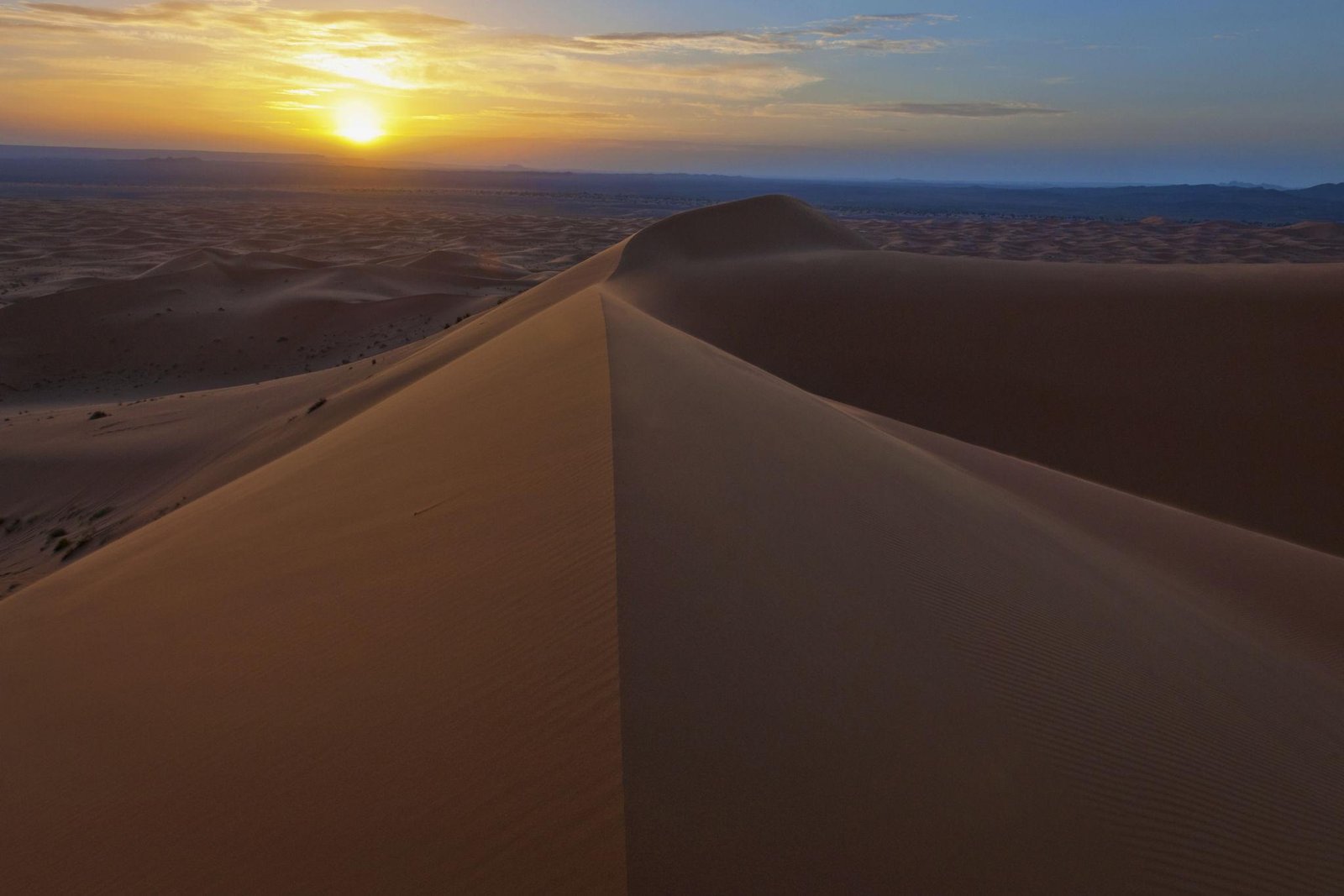
Sand is soft and you will walk barefoot on the dunes in mild weather. For the rest of the time:
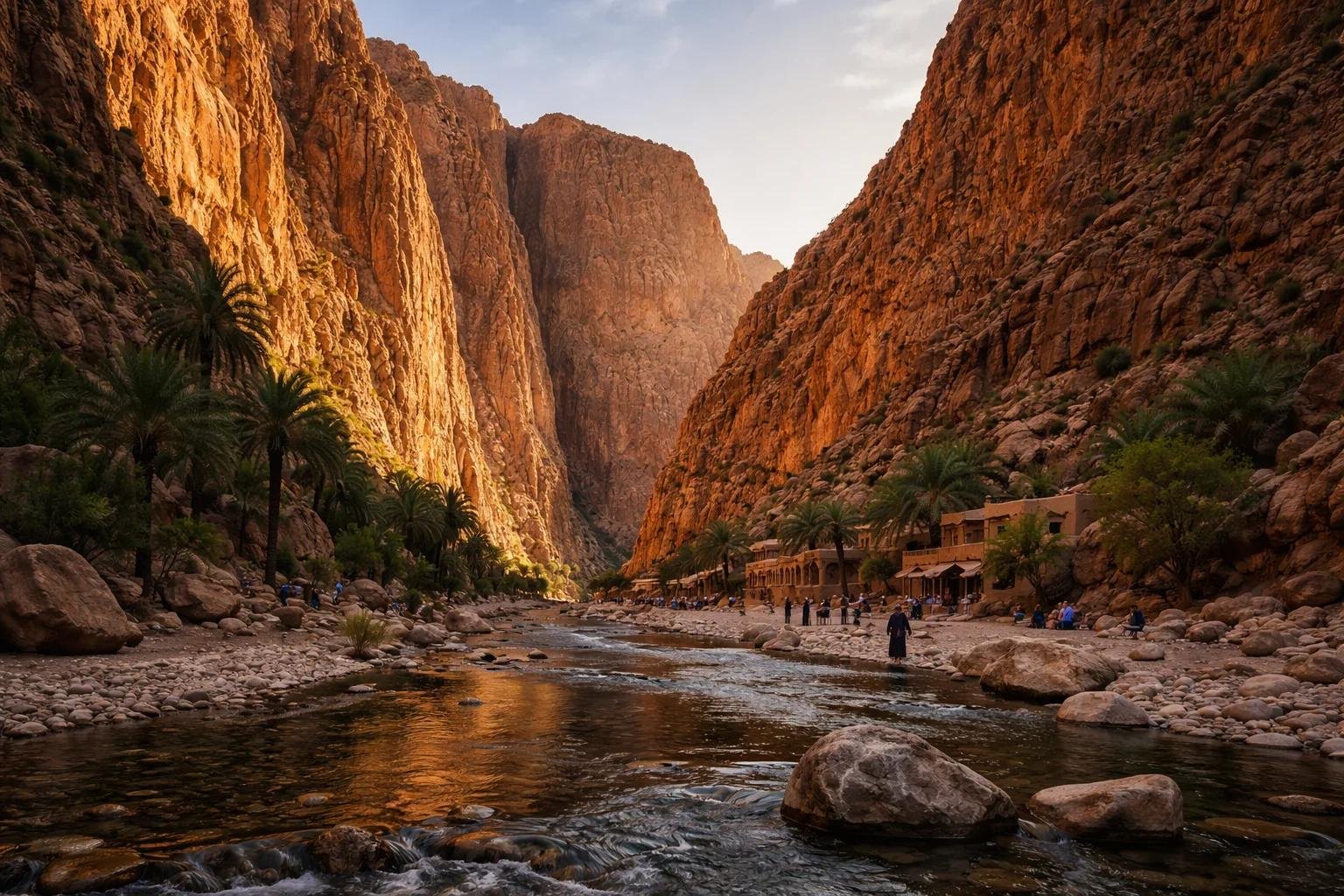
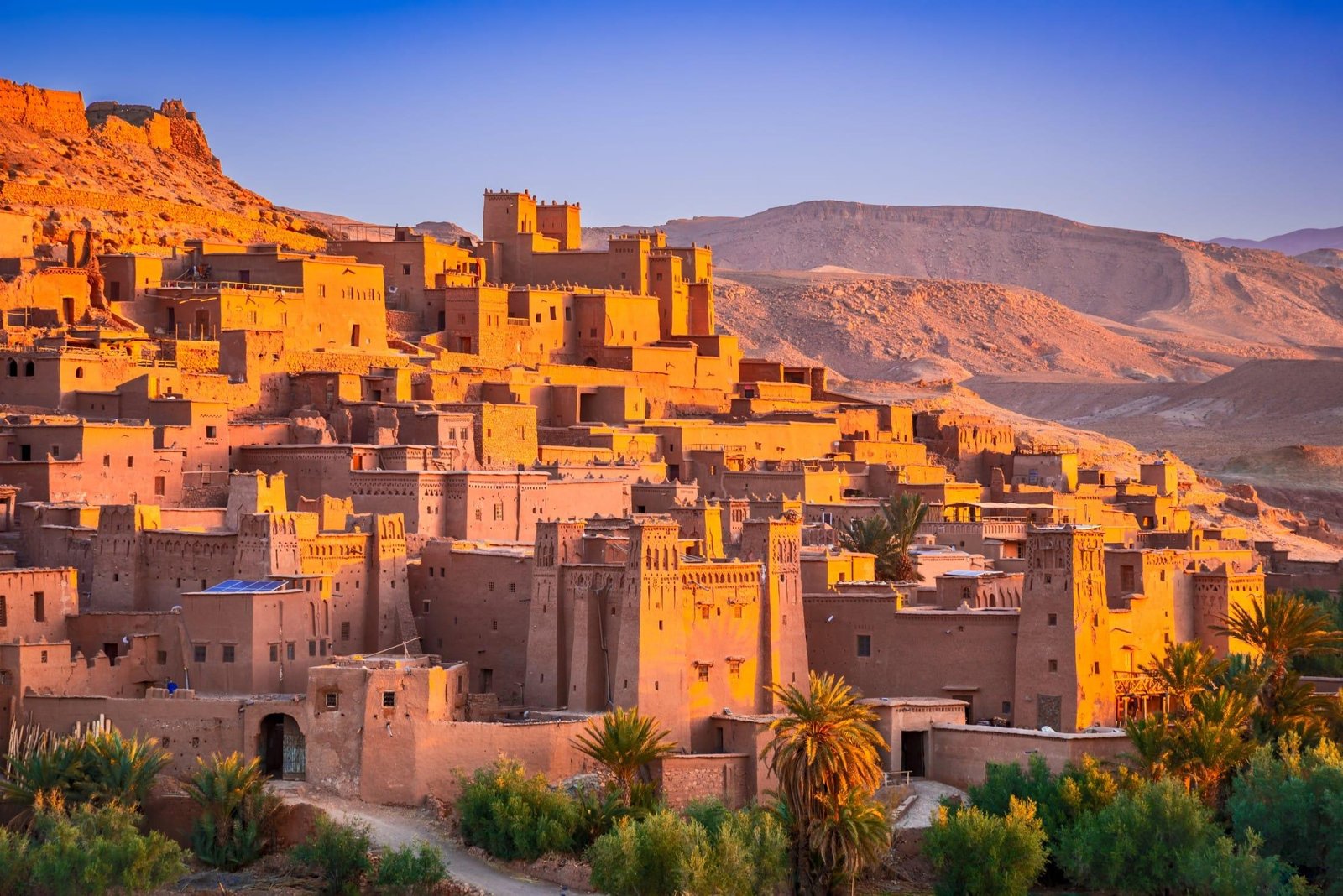
- Closed trainers are best for walking in the Todra Gorge and Ait Ben Haddou.
- Sandals with straps are easy on the dunes and in camp; flip-flops slip off on the sand.
- Avoid walking barefoot at midday in summer: the sand can burn. In winter, it is cold at dawn.
Packing list by season
| Season | Add to your bag | Why |
|---|---|---|
| Winter (Dec–Feb) | Thermal base layer, warm jacket, hat, gloves, wool socks | Nights can drop near 0°C in Merzouga |
| Spring (Mar–May) | Fleece, scarf, sunglasses with good coverage | Warm days, cool nights, occasional wind and sand |
| Summer (Jun–Aug) | Breathable long sleeves, wide hat, electrolyte sachets, extra water | Afternoons can exceed 40°C |
| Autumn (Sep–Nov) | Light jacket, sunscreen, camera for clear skies | Stable weather, cool evenings, great stargazing |
For temperatures month by month, see our guide on the best time to visit the Sahara.
Camp essentials you will be glad to have
- Head torch or small flashlight: paths between tents are dark, and the stars are better without phone light.
- Power bank: many camps have limited charging, especially standard camps.
- Toiletries and wet wipes: useful even in camps with showers.
- Sunscreen and lip balm: dry air and strong sun.
- Personal medication and a basic first-aid kit (plasters, rehydration salts, motion-sickness tablets for the mountain road).
- Earplugs if you are a light sleeper; drumming around the fire can go on after dinner.
- Cash in dirhams for drinks, tips and small purchases.
Photography gear
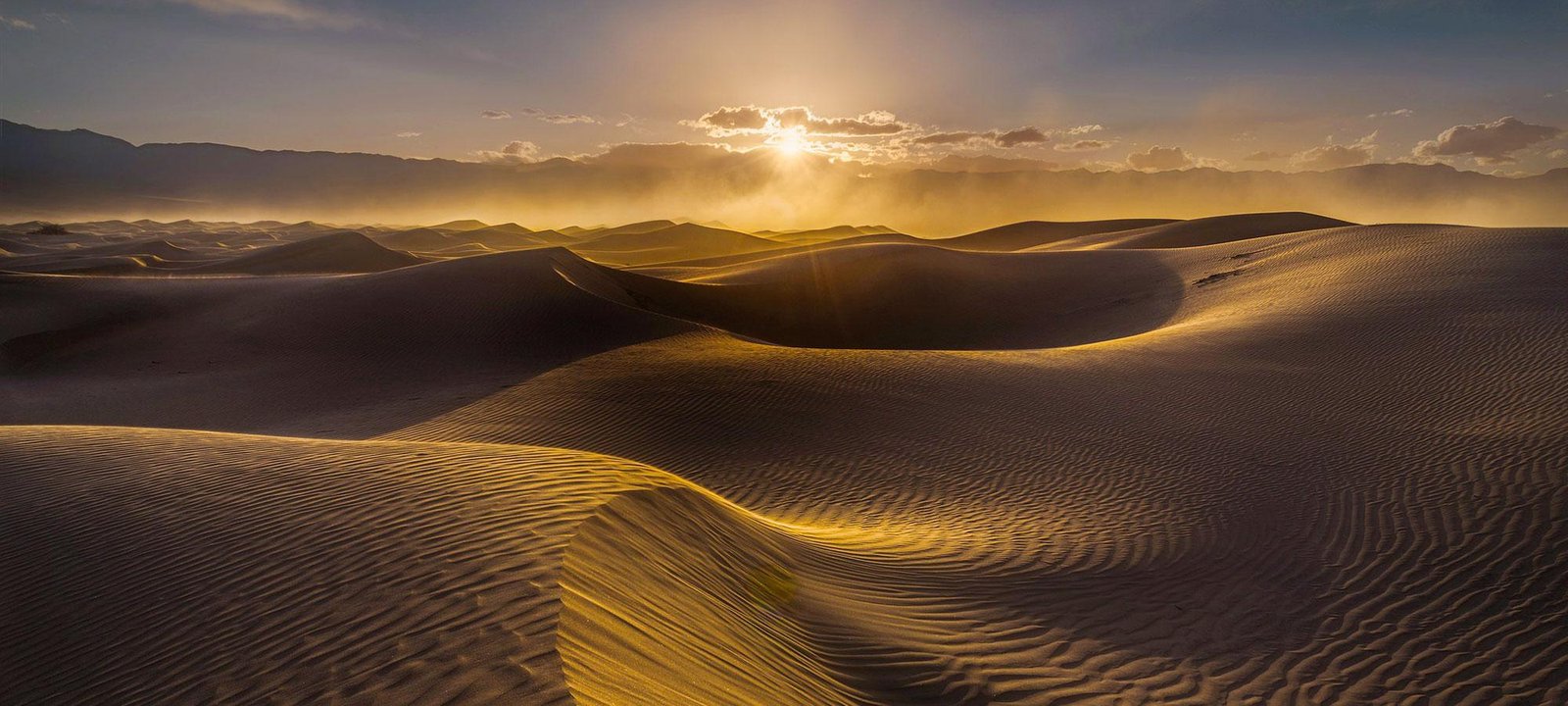
The dunes are extremely photogenic at sunrise and sunset. Protect your equipment:
- Change lenses inside the tent or vehicle, never in the wind.
- Bring a microfibre cloth and a blower for sand.
- A small tripod helps for star photos; ask the camp to dim lights for a few minutes.
- Drones may be subject to restrictions in Morocco; check the rules before you travel and do not assume you can bring or fly one.
Health and comfort on the road
The trip to the desert includes long drives, a mountain pass with many bends and dry, dusty air. A few simple items help:
- Motion-sickness tablets if you are sensitive; the Tichka road has many curves.
- Eye drops and moisturiser for dry air and wind.
- Hand sanitiser for roadside stops and before meals.
- Rehydration salts, especially in summer or if your stomach is upset.
- Snacks such as nuts or dried fruit for the long stretches between towns.
Drink bottled or filtered water, and do not wait until you feel thirsty: in the dry desert air you lose water faster than you notice. If you have a specific medical condition, check with your doctor before travelling and bring enough medication for the whole trip.
What does the tour provide?
On our tours, transport, the camel trek, the camp, dinner and breakfast in the desert are included, along with blankets and bedding. You do not need to bring a tent, sleeping bag or cooking equipment. Bottled water is easy to buy on the road. Check each tour page for the exact inclusions, as they vary between shared and private trips and between standard and luxury camps.
What not to bring
- Large hard suitcases on the camel (they stay in the car).
- Valuable jewellery you do not need.
- Very revealing clothing for village visits.
- Single-use plastic you could replace with a refillable bottle.
Documents and money
Carry your passport, as hotels and checkpoints may ask for it. Keep a copy of your travel insurance and the contact number of your driver or agency. ATMs exist in Ouarzazate, Tinghir, Erfoud, Rissani and Zagora, but not in the dunes. Check current entry rules for your nationality on the official Visit Morocco tourism website or your government's travel advice page.
Packing differs by tour length
On a 2-day Zagora trip, you can travel with just a backpack. On a 3-day Merzouga tour or a longer route from Fes to the desert, plan one change of clothes per day and laundry later in Fes or Marrakech. If you will sleep in a luxury camp, read our guide to luxury desert camps in Merzouga to see what is already provided.
Key takeaways
- Pack a small overnight bag; the suitcase stays in the vehicle.
- Loose long clothes, a warm layer and a scarf work in every season.
- Bring a torch, power bank, sunscreen and cash.
- Protect cameras and phones from sand.
- Questions about your specific trip? Ask us via our Marrakech desert tours page.